M. Tech Specialisations and Curriculum

M. Tech Specialisations and Curriculum

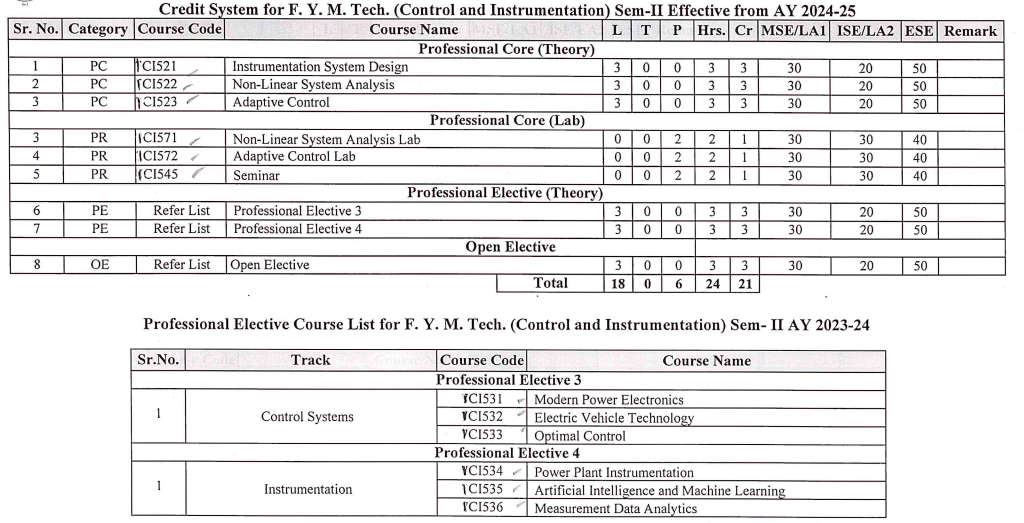
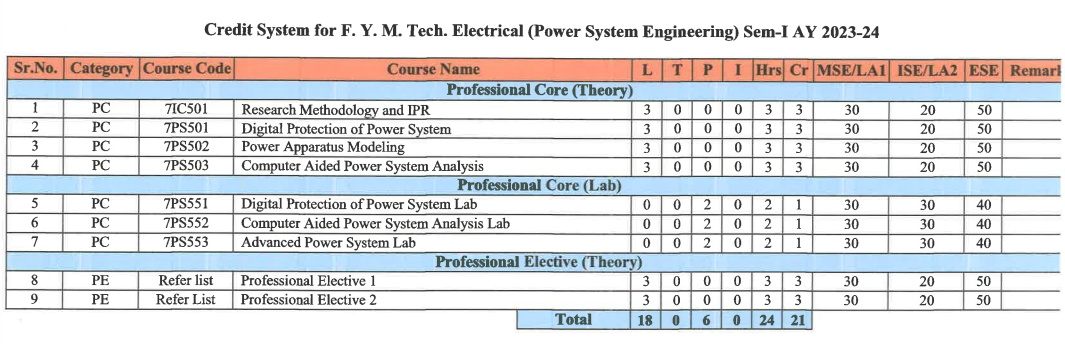
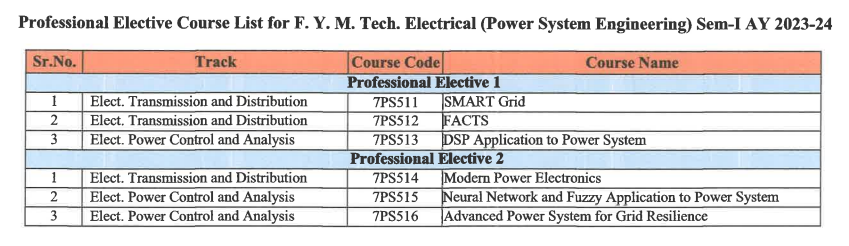
Specialisations: The M.Tech in Power System Engineering and Control and Instrumentation Engineering at Walchand College of Engineering (WCE) focuses on advanced computational theories, cutting-edge technologies, and research. It blends rigorous coursework with hands-on projects, covering areas like power system protection, stability, and adaptive control system, process instrumentation preparing students for careers in academia, research, and industry.

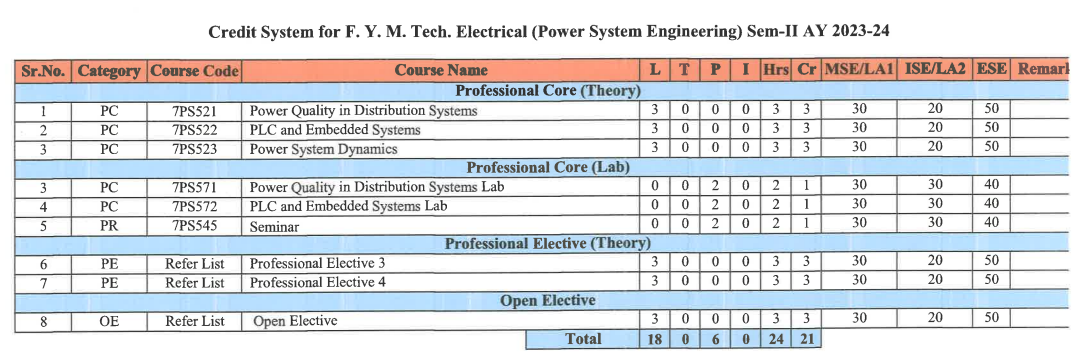
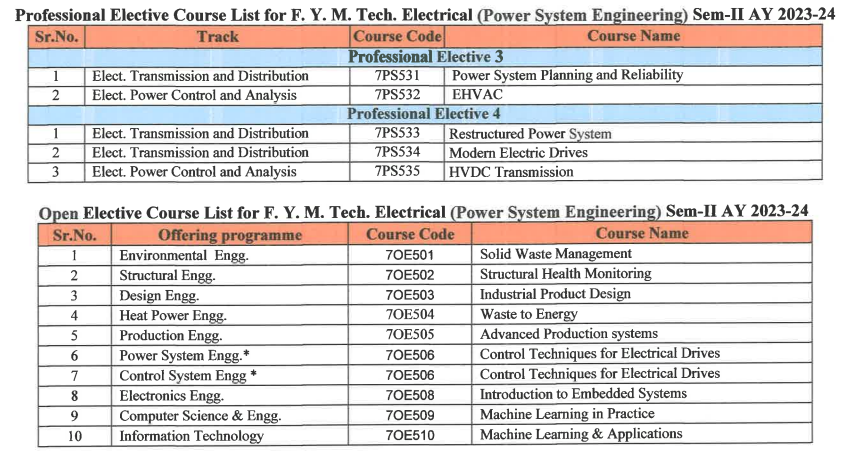
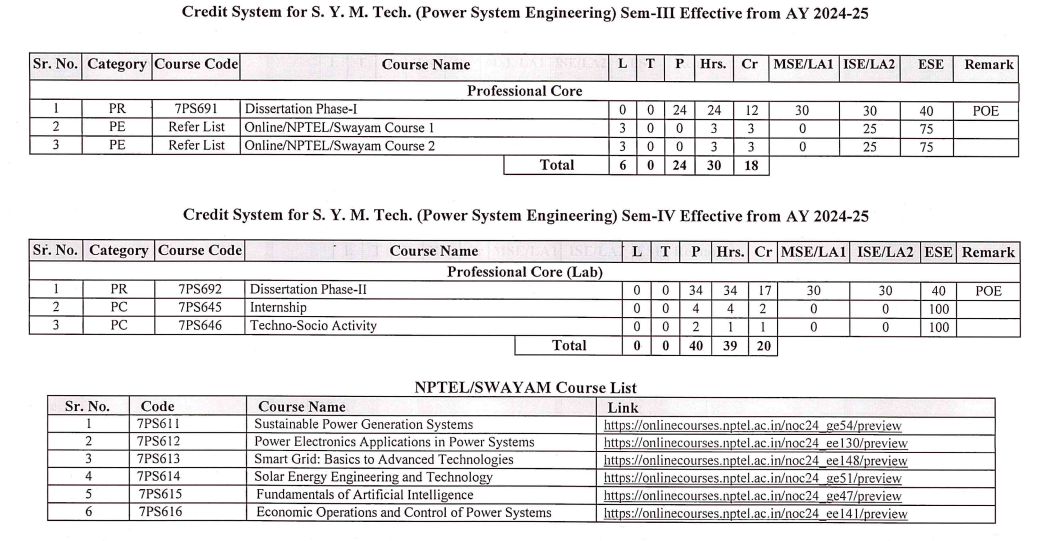
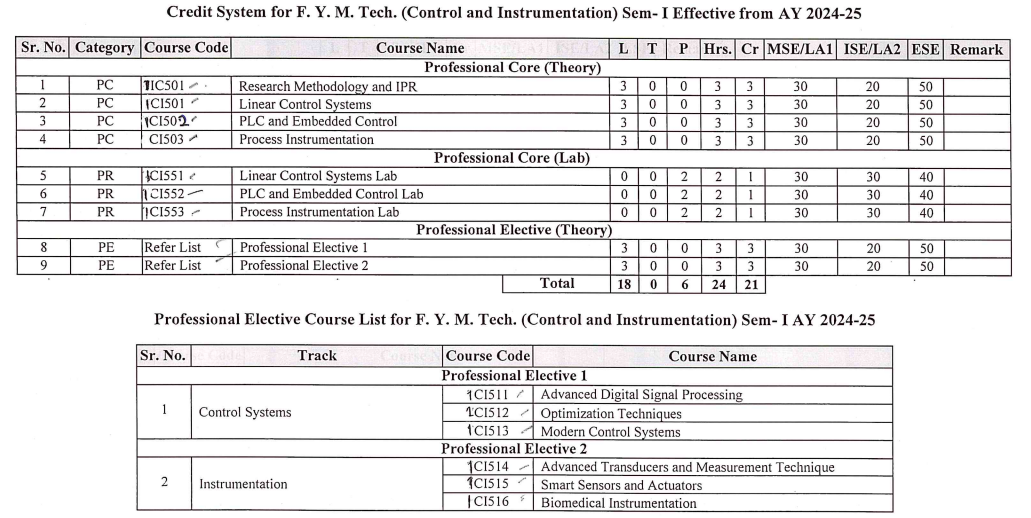
Curriculum: The M.Tech curriculum is designed to provide students with advanced knowledge and skills in their chosen specialisation. The curriculum is designed to provide students with a comprehensive education in Electrical power system & control system engineering. From the batch 2023-2024 the M.Tech curriculum is also aligned with NEP 2020 policy.

PG - Power System Engineering

Program Educational Objectives (PEOs)

Graduate of PG programme within three to five years of their graduation in Electrical Power Systems Engineering will…

  • PEO1: Demonstrate the domain expertise and technical leadership with good communication and professional skills to analyze, synthesize, evaluate and execute real life projects in electrical and allied fields.

  • PEO2: Contribute individually or in team, to the development of engineering technology leading to innovation in various domains of electrical Power systems engineering using modern tools.

  • PEO3: Exhibit lifelong learning attitude, ethical behavior and societal responsibility.
Programme Outcomes (POs):

Post graduates on successful completion of the programme will be able to:
  • PO1: Apply appropriate research methodologies and demonstrate higher order skill individually, in groups to the development works in the domain of Power System Engineering to solve practical problems. (Research Skill)

  • PO2: Communicate with engineering community and society at large, confidently and effectively, through technical report, documentation and presentation, by adhering to appropriate standards. (Communication)

  • PO3: Demonstrate degree of mastery in Power System Engineering at a level higher than the requirements in the appropriate bachelor program. (Scholarship of Knowledge)

  • PO4: Analyze complex problems in Power System Engineering with an ability to compare, contrast, predict and evaluate wide range of potential solutions theoretically and practically with the aid of modern engineering techniques/tools. (Critical Thinking and Problem Solving)

  • PO5: Demonstrate ethical behaviour with professional code of conduct, life-long learning, effective managerial skills, and contribute to sustainable development of society (Ethical Practices, Social responsibility, managerial skills and Life-long learning)

  • PO6: Demonstrate proficiency in latest trends and technologies as applied to the field of power system engineering and contribute to innovation. (Programme specific outcome)

PG - Control and Instrumentation

Program Educational Objectives (PEOs):
Graduate of PG programme within three to five years of their graduation in Electrical Control and Instrumentation will…..

  • PEO1: Demonstrate the domain expertise and technical leadership with good communication and professional skills to analyze, synthesize, evaluate and execute real life projects in electrical and allied fields.
  • PEO2: Contribute individually or in team, to the development of engineering technology leading to innovation in various domains of Electrical Control and Instrumentation using modern tools.
  • PEO3: Exhibit lifelong learning attitude, ethical behaviour and societal responsibility.

Programme Outcomes (POs):

Post graduates on successful completion of the programme will be able to:
  • PO1: Apply appropriate research methodologies and demonstrate higher order skill individually, in groups to the development works in the domain of Control and Instrumentation to solve practical problems. (Research Skill)
  • PO2: Communicate with engineering community and society at large, confidently and effectively, through technical report, documentation and presentation, by adhering to appropriate standards. (Communication)
  • PO3: Demonstrate degree of mastery in Control and Instrumentation at a level higher than the requirements in the appropriate bachelor program. (Scholarship of Knowledge)
  • PO4: Analyze complex problems in Control and Instrumentation with an ability to compare, contrast, predict and evaluate wide range of potential solutions theoretically and practically with the aid of modern engineering techniques/tools. (Critical Thinking and Problem Solving)
  • PO5: Demonstrate ethical behaviour with professional code of conduct, life-long learning, effective managerial skills, and contribute to sustainable development of society (Ethical Practices, Social responsibility, managerial skills and Life-long learning)
  • PO6: Demonstrate proficiency in latest trends and technologies as applied to the field of Control and Instrumentation and contribute to innovation. (Programme specific outcome)

Links to the detailed syllabus

Search