The M.Tech. curriculum in Civil Structural Engineering under the Department of Applied Mechanics is designed to provide postgraduate students with advanced knowledge in structural mechanics, analysis, design, earthquake engineering, and computational methods. The curriculum blends theoretical understanding with practical applications through coursework, labs, seminars, industry interaction, and dissertation work.
The Academic curriculum focuses on a credit-based system that integrates Professional Core courses, Professional Electives, Open Electives, Laboratory sessions and student internship at leading MNCs. The program emphasizes high-level research, industry-oriented electives, state-of-the-art tools and techniques, and interdisciplinary learning aligned with current global trends in structural engineering.
Key highlights of the curriculum include:
Courses in Structural Dynamics, Earthquake Engineering, Finite Element Methods, Bridge Design, Prestressed concrete, Design Optimization, Plates & Shells, and Advanced Design
Laboratory work in Structural Health Monitoring, Computational Design, and Advanced Smart Materials
Multiple Professional Elective Tracks:
- Advanced Design of Structures
- Advanced Structural Analysis and Computational Methods
Emphasis on research and innovation through Dissertation Phases I & II
Industry exposure via Internship and Consultancy-oriented projects
Integration of NPTEL/SWAYAM courses to encourage lifelong learning
Focus on Techno-socio activities to promote sustainable engineering
The Applied Mechanics Department offers:
The program is continuously updated to match evolving industry needs, with input from academic peers, professional bodies, and industry experts.
Graduates of PG programme within three to five years of their graduation in Structural Engineering will
PE01: Demonstrate the domain expertise and technical leadership with good communication and professional skills to analyse, synthesize, evaluate and execute real life projects in structural engineering and allied fields.
PE02: Contribute individually or in team to the development of engineering and technology leading to innovation in various domains of structural engineering using modern tools.
PE03: Exhibit life-long learning attitude, ethical behaviour and societal responsibility.
Postgraduates on successful completion of the programme will be able to:
P01: Apply appropriate research methodologies and demonstrate higher order skill individually, in groups to the development works in the domain of structural Engineering to solve practical problems. (Research Skill)
P02: Communicate with Engineering community and society at large, confidently and effectively, through technical report, documentation and presentation, by adhering to appropriate standards. (Communication)
P03: Demonstrate mastery in structural Engineering at a level higher than the requirements in the appropriate bachelor program. (Scholarship of knowledge)
P04: Demonstrate in depth knowledge to discuss, analyse, synthesize, justify, critique and evaluate systems in advanced area of structural engineering. (Critical Thinking and problem Solving)
P05: Invent and arrive at feasible, optimal solution to solve real life engineering problems using professional code of conduct for sustainable development considering socioeconomic aspects. Ethical Practices, Social responsibility, managerial skills and Life-long learning)
P06: Apply the knowledge of structural Engineering and competence, to devise state-of-art solutions to complex and contemporary engineering systems. (Programme specific outcome)
The Department of Applied Mechanics at Walchand College of Engineering, Sangli follows an Outcome-Based Education (OBE) philosophy, ensuring that the M. Tech Civil Structural Engineering program produces graduates with advanced knowledge, professional skills, ethical awareness, and lifelong learning capabilities. The curriculum is continuously revised based on feedback from industry experts, academic peers, alumni, and evolving societal needs.
The program’s design emphasizes measurable outcomes at both the program and course levels. The learning outcomes guide the teaching-learning process, dissertation work, research, and assessment methods to align with global standards in structural engineering education.
Key Features of OBE Philosophy:
Through this OBE framework, the department ensures that its graduates are equipped with not just technical mastery, but also with the intellectual flexibility and professional skills required to lead in the global structural engineering industry and academia.
Links to the detailed syllabus:
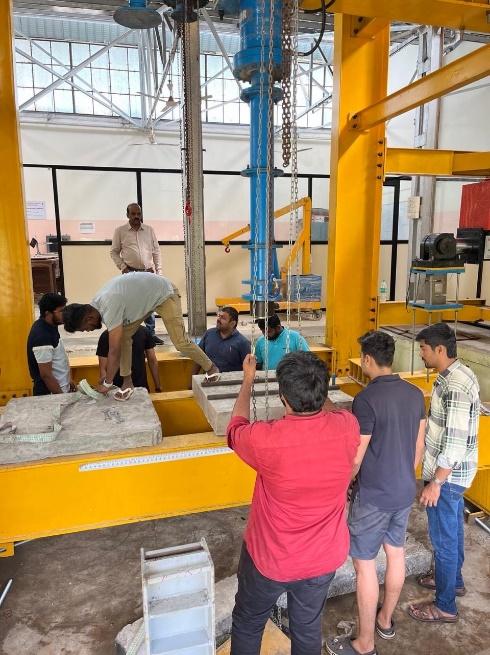
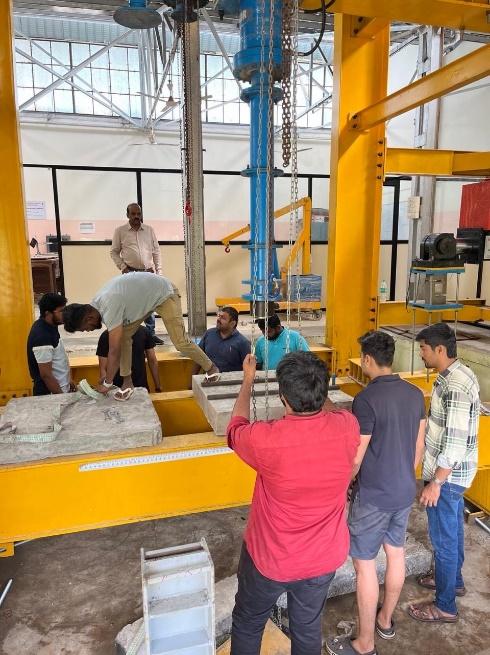
Earthquake Engineering Laboratory
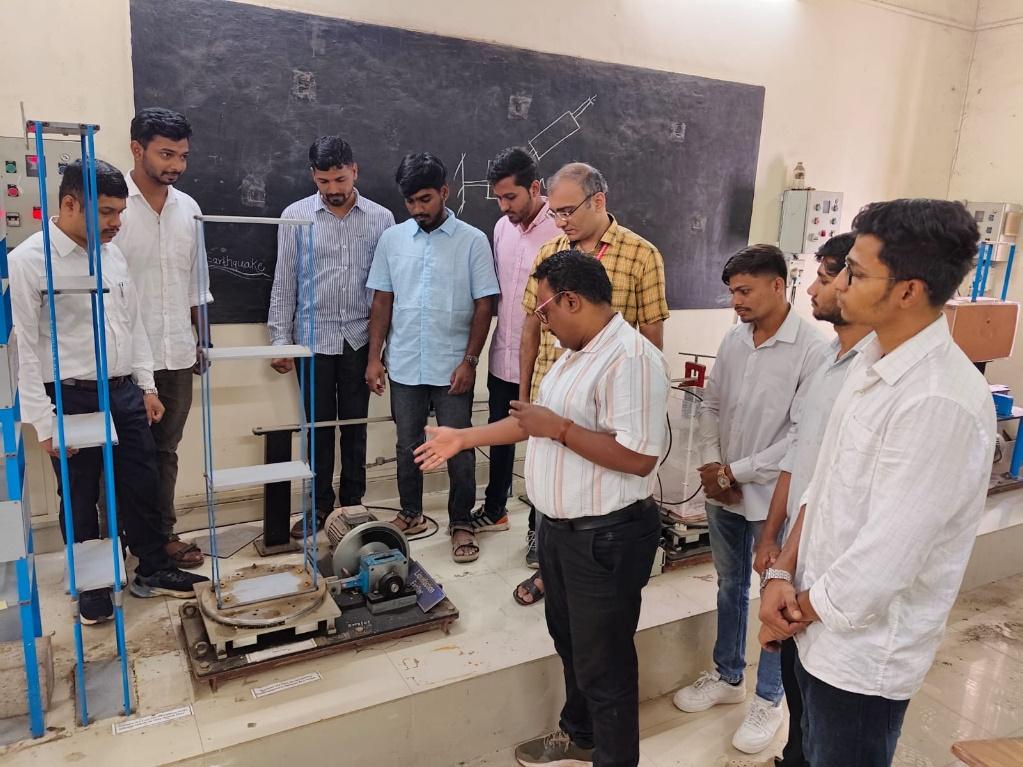
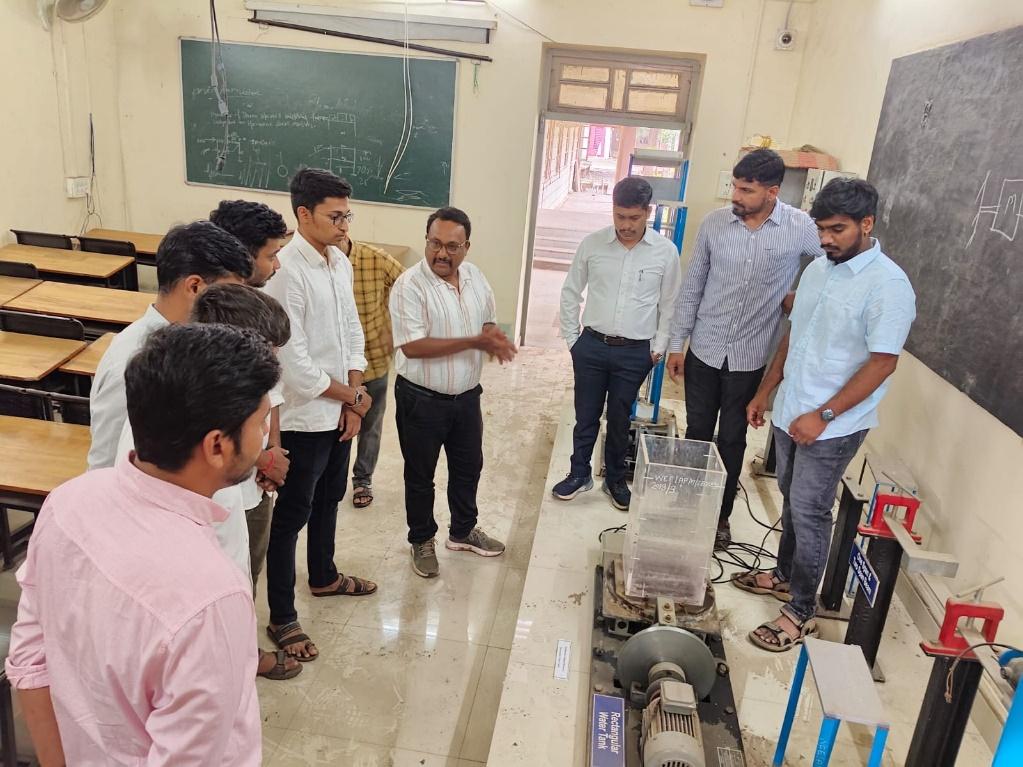
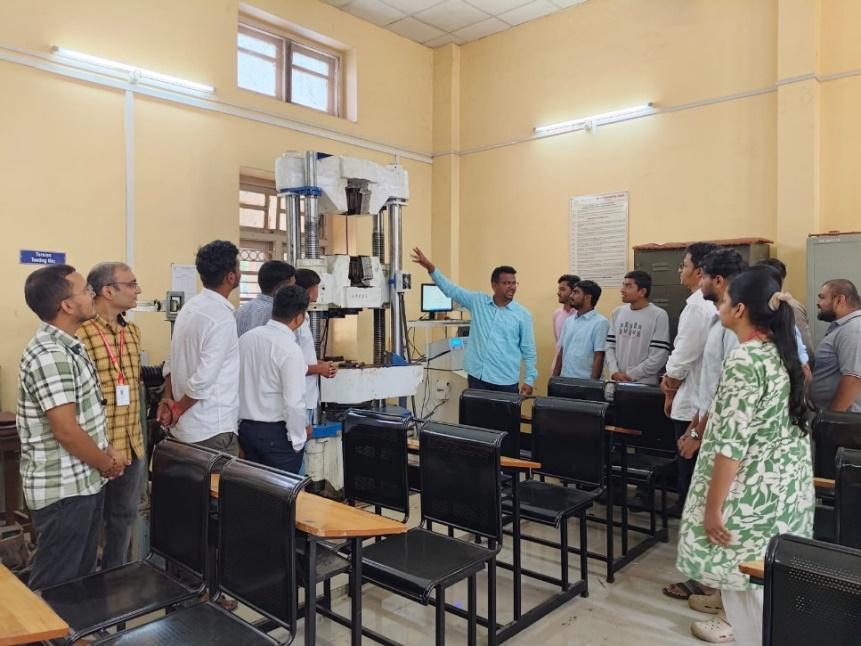
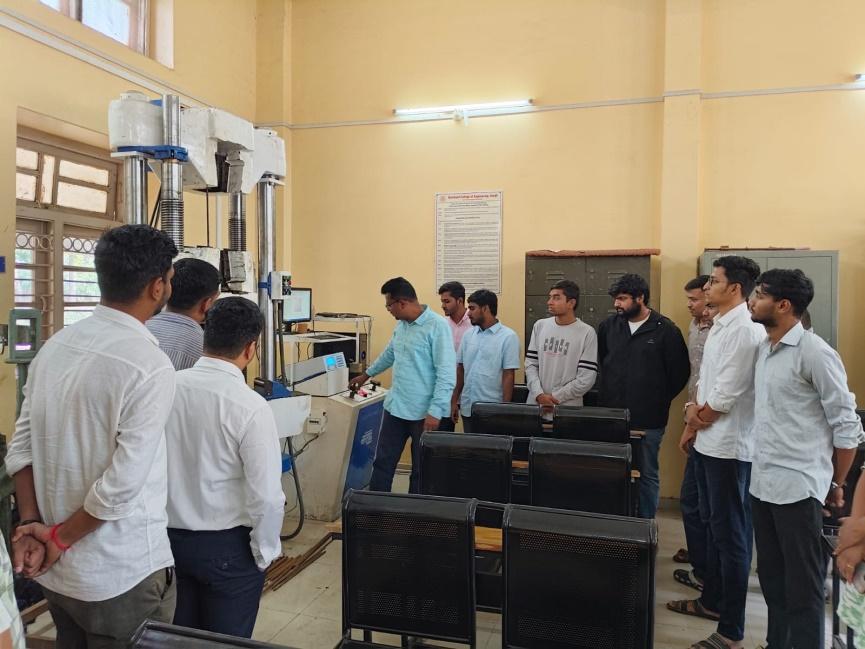
Strength of Materials Laboratory
Concrete Technology Laboratory
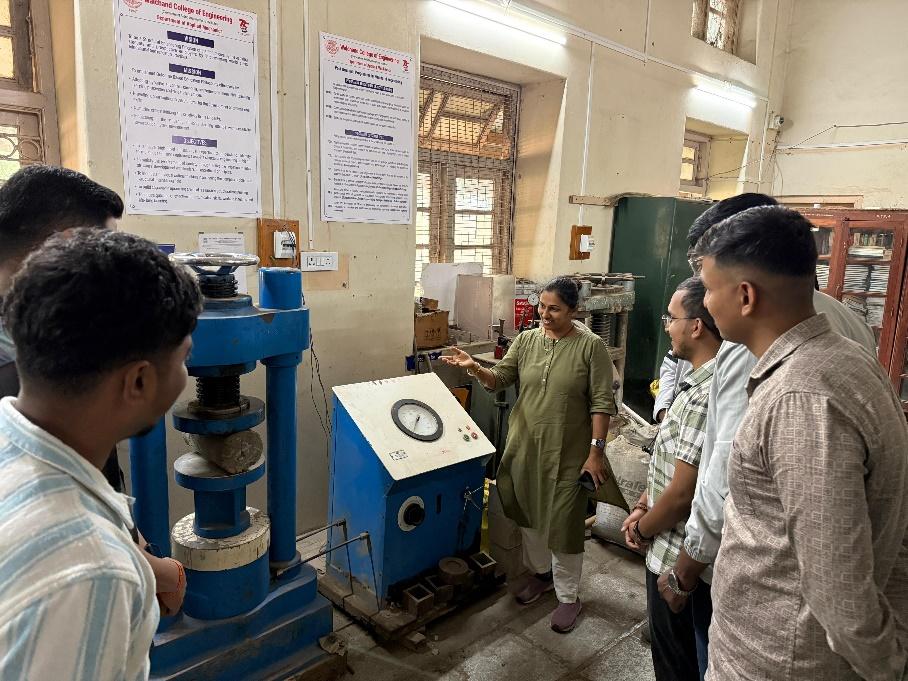
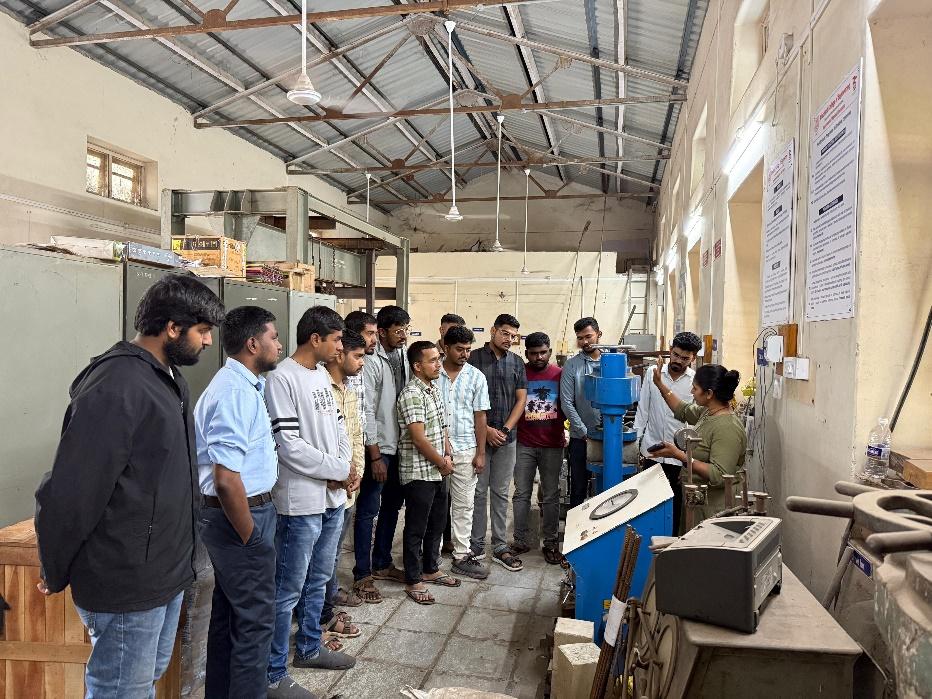
Concrete Technology Laboratory
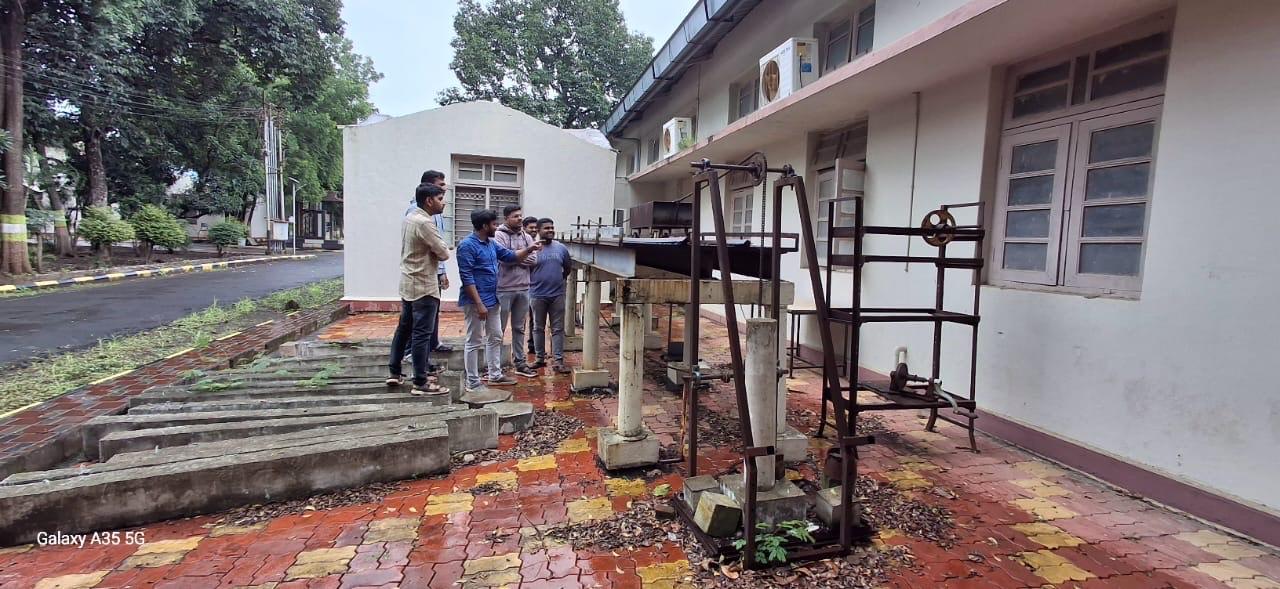
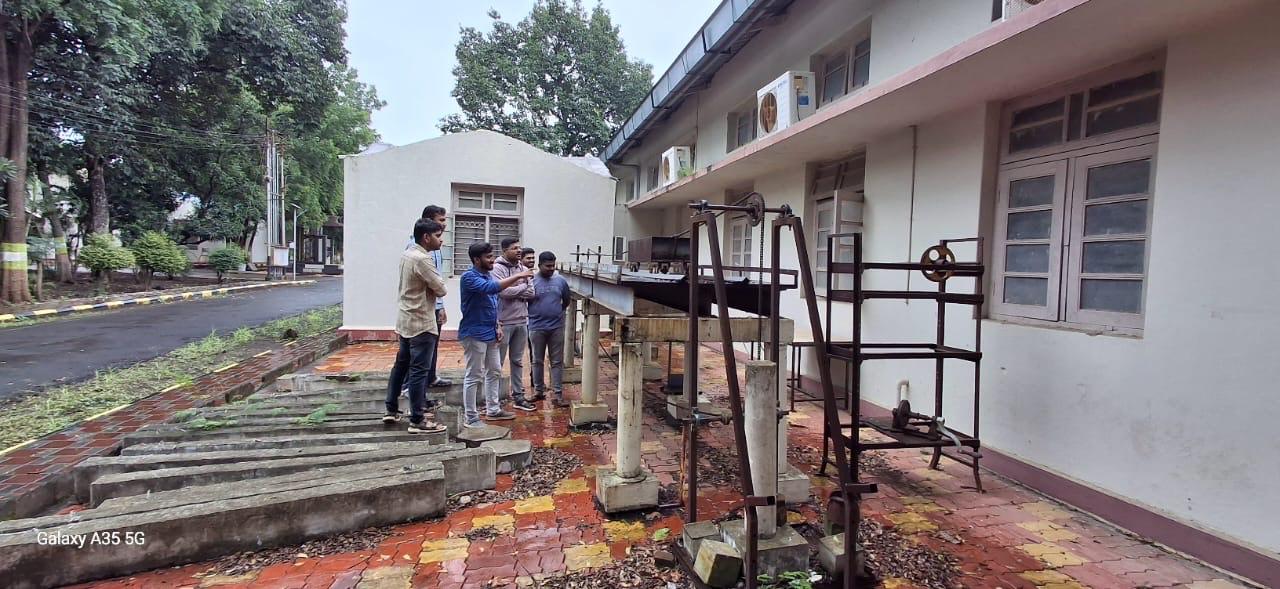
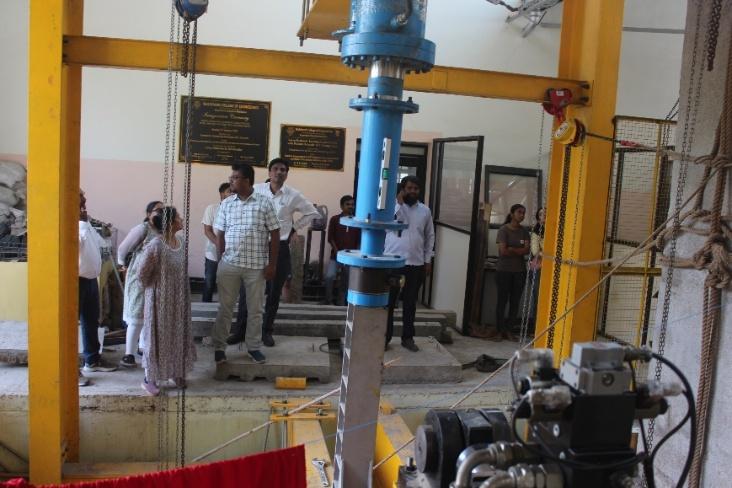
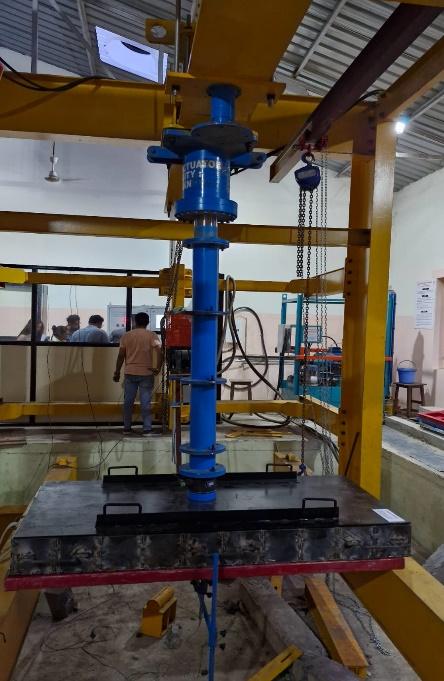
Heavy structures Lab